
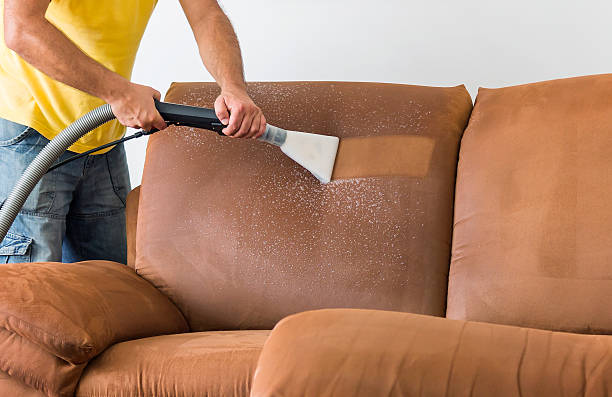
Most households wait too long between professional sofa shampoos. Visible staining, lingering odours and a flattened, dull fabric texture are the clearest signs it is overdue. For daily-use sofas, EFCS recommends every 6 to 12 months to keep dirt, allergens and odours from building up between deep cleans.
Quick facts: Sofa and upholstery shampooing
- How often: Every 6 to 12 months for daily-use sofas and chairs, as recommended on the EFCS sofa and chair pages.
- Signs it is overdue: Visible staining, lingering odours, flattened or dull fabric, and dark patches on arms and headrests.
- Drying: Sofas typically dry within 4 to 6 hours after cleaning, according to the EFCS sofa page. Actual time varies with fabric and conditions.
- Service: On-site cleaning for fabric and leather sofas and chairs in Bangalore.
- Cost: Quoted after photos and details are shared. No fixed rate is published in this guide.
- Provider: EFCS (Excellent Facility Connect Services), 49/1, 1st Main Road, Palace Guttahalli, Bangalore 560003.
- Contact: +91 89043 12966 / +91 88480 72224. Monday to Saturday, 10 AM–7 PM; Sunday by appointment.
This guide is for homeowners, apartment owners and office managers in Bangalore. It explains when to arrange a professional clean, how fabric and leather are treated differently, what the process involves and what information helps EFCS prepare a quote. For service details, see sofa shampooing and chair shampooing.
1. How often should you shampoo a sofa?
The right interval depends on how often the sofa is used and who uses it. A busy family sofa may need attention sooner than seating in a guest room. Use the following as a practical guide rather than a fixed schedule.
| Usage | Suggested interval | Why |
|---|---|---|
| Daily family use, children or pets | Towards 6 months | Spills, crumbs, body oils and pet hair accumulate faster. |
| Daily use by adults | Around 9–12 months | Dirt and body oils build up steadily with regular use. |
| Office or reception seating | Towards 6 months | Many people use the seating, and it may rarely be cleaned between visits. |
| Guest room or light use | Around 12 months | Check annually, or arrange cleaning sooner after a spill. |
Do not wait until the sofa looks visibly dirty. Dirt can sit inside the fibres before it becomes obvious, and a longer gap may make it harder to remove than if the sofa is cleaned at an earlier interval.
2. Five signs your sofa shampooing is overdue
Look at the seats, backs, arms and headrests. These areas often show the first signs of regular use.
| Sign | What you may notice | Possible reason |
|---|---|---|
| Visible staining | Marks, rings or dark patches that remain after ordinary surface cleaning. | Spills and body oils may have dried into the fabric. |
| Lingering odours | A stale or musty smell that remains even after airing the room. | Dirt, sweat or moisture may be held in the cushions or upholstery. |
| Flattened or dull fabric | The pile looks pressed down and the colour appears dull on seats or backs. | Embedded dirt and oils can weigh down the fibres. |
| Dark arms and headrests | Darker areas where heads, arms and hands regularly touch. | Body oils and everyday dirt collect on frequently touched areas. |
| Leather feels dry or tacky | The surface feels sticky or dull, or appears to have lost some softness. | Dirt and body oils may have built up and the leather may need suitable care. |
If you notice two or more of these signs, consider arranging a professional inspection. One strong, persistent smell can also be enough reason to ask for advice.
3. Fabric sofa vs leather sofa: what is different?
Fabric and leather need different cleaning methods. The material and its care instructions should be checked before any products or moisture are applied.
| Cleaning point | Fabric sofa | Leather sofa |
|---|---|---|
| Cleaning method | Shampooing with a suitable solution and soft brush. | Specialised leather cleaner followed by suitable conditioner. |
| Dirt removal | Moisture extraction with a wet/dry vacuum helps remove water and loosened residue. | Gentle cleaning lifts surface dirt and oils without soaking the material. |
| Water use | Controlled moisture is used; the upholstery should not be soaked. | Water is kept to a minimum. Leather should not be soaked. |
| Drying | The EFCS sofa page gives a typical drying time of 4–6 hours; conditions vary. | Ask EFCS for the expected drying time when booking. It depends on the leather and room conditions. |
| Important caution | Follow the fabric care label and confirm the method before cleaning. | Do not use fabric shampoo, household cleaners or ordinary soaps on leather. |
Read the care label first
Upholstery care labels may use the following codes. Share the code or a clear photo of the label with EFCS so the cleaning method can be checked before work begins.
| Code | General meaning | What to do |
|---|---|---|
| W | Water-based cleaning is suitable. | Confirm the appropriate water-based method with the technician. |
| S | Solvent-based cleaning only; avoid water. | Do not shampoo at home. Ask the technician to confirm a suitable method. |
| WS | Water-based or solvent-based cleaning may be suitable. | Have the technician confirm the correct method for the upholstery. |
| X | Vacuum-only care; no liquid cleaning. | Do not apply liquid or shampoo. Ask for professional advice. |
These are general label meanings. The technician should confirm the codes and the manufacturer's care instructions before choosing a cleaning method.
4. What happens during professional sofa shampooing?
A professional visit generally follows a sequence of inspection, preparation, cleaning and checking. The exact method depends on the upholstery material and its condition.
| Stage | What happens | Purpose |
|---|---|---|
| 1. Inspection | The technician checks the material, stains and areas needing extra care. | Identify the upholstery and any concerns before starting. |
| 2. Dry vacuuming | Dust and loose debris are vacuumed from the surface, gaps and cushions. | Remove loose dirt before shampooing. |
| 3. Stain treatment | Suitable treatment may be applied to identified stains. | Give stains an appropriate chance of lifting during cleaning. |
| 4. Shampooing | Fabric is cleaned with a suitable solution and soft brush. Leather receives its own cleaner and conditioner. | Loosen and lift embedded dirt and oils using a material-appropriate method. |
| 5. Moisture extraction | A wet/dry vacuum extracts water and remaining cleaning solution from fabric upholstery. | Remove moisture and residue to support drying. |
| 6. Final inspection | The technician checks the cleaned areas and any concerns discussed before work. | Review the result and explain any remaining marks or limitations. |
The service is carried out on-site, so your sofa can remain at your home or office.
How to prepare for the visit
- Remove cushions, throws and small items from the sofa.
- Point out stains, odours and areas that need extra attention.
- Tell the technician whether the upholstery is fabric or leather and share its care label if available.
- Plan for drying time and keep the room ventilated.
- Avoid sitting on the sofa until it is completely dry.
5. Can sofa shampooing help with allergens and odours?
Dust, dirt and everyday residues can collect in upholstery. Cleaning removes dirt and residues that cause many ordinary odours, and can help reduce dust and allergen build-up on fabric. It cannot guarantee an allergen-free sofa or treat a medical condition.
| What cleaning may help with | What it cannot guarantee |
|---|---|
| Removing surface dirt, dust and some residues associated with everyday odours. | An allergen-free sofa or a medical treatment for asthma or allergies. |
| Improving the cleanliness of fabric upholstery through an appropriate cleaning process. | Removing every source of a smell deep inside foam or cushions. |
| Addressing ordinary build-up on accessible upholstery surfaces. | Repairing a damp frame, internal damage or an underlying moisture problem. |
If someone at home has asthma or allergies, ask their doctor what measures may help. Tell EFCS about any strong or persistent smell when booking, as its source may be deeper inside the sofa.
6. What should you do about a sofa stain before the visit?
For a fresh spill, gentle action is safer than aggressive scrubbing. The correct treatment depends on the stain and upholstery care instructions.
| Do | Avoid |
|---|---|
| Blot a fresh spill gently with a clean, dry cloth. | Do not rub; rubbing can push the stain deeper or spread it. |
| Lift solid material carefully with a spoon. | Do not soak the upholstery. |
| Test a suitable cleaner on a hidden area only if the care label allows it. | Do not use bleach or strong chemicals. |
| Tell EFCS what caused the stain and approximately how old it is. | Do not apply hot water to an unidentified stain. |
7. How to maintain your sofa between professional visits
Simple regular care helps prevent loose dirt and everyday spills from accumulating between professional cleans.
| How often | What to do | Why it helps |
|---|---|---|
| Weekly | Vacuum seats, backs and gaps with an upholstery attachment. | Removes loose grit before it works into the fabric. |
| Every few weeks | Rotate or swap reversible cushions where possible. | Helps distribute everyday wear. |
| Immediately after a spill | Blot gently with a clean, dry cloth. | Stops coloured liquid from drying into the upholstery. |
| As a regular household habit | Keep food and drinks away where practical, manage pet paws and use washable throws where suitable. | Reduces avoidable dirt and spills. |
| Every few months | Check for the signs listed in Section 2. | Helps you decide whether it is time to arrange a clean. |
For other areas of the home, see EFCS guides and services for housekeeping services, one-time deep cleaning and carpet shampooing.
8. What affects the cost of sofa shampooing?
The cost depends on the sofa and the work required. EFCS provides a quote after you share photos and details; no fixed rate is published in this guide.
| Factor | Why it matters |
|---|---|
| Sofa size and number of seats | Larger sofas and more seating usually require more time and work. |
| Number of sections | Sectional layouts may have additional pieces and surfaces to clean. |
| Material | Fabric and leather require different cleaning products and methods. |
| Stains and odours | The type, age and extent of staining or odour can affect the work involved. |
| Number of items | Cleaning multiple sofas or chairs changes the overall scope. |
| Bangalore location | Your location is needed to discuss the visit and service arrangements. |
When comparing quotes, check that the scope is clear: which seats and sections are included, what cleaning stages are planned and whether the work is on-site.
What to send to get an accurate quote
- Two or three clear photos showing the full sofa and any stained areas.
- The material type, such as fabric or leather, and the number of seats or sections.
- A photo or details of the upholstery care label, if available.
- Your location in Bangalore.
- A short description of the issue, such as stains, odour or dull fabric.
Frequently asked questions
What is the difference between cleaning a fabric sofa and a leather sofa?
A fabric sofa is vacuumed, pre-treated for stains, shampooed with a soft brush and then dried with moisture extraction. A leather sofa gets specialised leather cleaners and conditioners, which keep the sheen and softness. Leather is not soaked, and it should not be cleaned with the same products as fabric. EFCS inspects the material first and adapts the method to it.
How long does a sofa take to dry after shampooing?
The EFCS sofa page says sofas typically dry within 4 to 6 hours after cleaning. The time varies with the fabric, the weather and the airflow in the room. Moisture extraction after the wash speeds up drying. Keep the room ventilated, and avoid sitting on the sofa until it feels completely dry.
Does sofa shampooing remove odours and allergens?
Shampooing removes dirt, dust and the residues that cause many odours, which can help reduce dust and allergen build-up on the fabric. It cannot guarantee an allergen-free sofa, and it does not treat a medical condition. If someone at home has asthma or allergies, ask their doctor about what helps. Strong, lasting odours can come from deep inside the cushions, so tell EFCS about them when you book.
How much does it cost to clean a sectional sofa?
The cost depends on the size of the sofa, the number of seats and sections, the material, how stained it is and where you live. EFCS quotes after you share photos and details, and no fixed rate is published here. To get an accurate quote, say how many seats and sections you have, whether the sofa is fabric or leather, and what stains or odours you want treated.
How should I treat a stain before the professionals arrive?
Blot a fresh spill with a clean, dry cloth, pressing gently. Do not rub, because rubbing pushes the stain deeper and can spread it. Do not soak the fabric, and do not use bleach or strong chemicals. Tell EFCS what the stain is and how old it is. The EFCS sofa page says stain removal depends on the nature of the stain, its age and the fabric, so results vary.
More EFCS guides and services
- Sofa shampooing service
- Chair shampooing service
- Carpet shampooing
- One-time deep cleaning services
- Housekeeping services
- Frequently asked questions
- All EFCS blogs
This guide is general information. The cleaning method depends on the material, condition and care label, and EFCS confirms the suitable approach after inspection. Stain-removal results vary. Sofa shampooing does not guarantee an allergen-free sofa or treat a medical condition.